Velvet Glove
Cognac meets aperitif wine and a whisper of chocolate
The Velvet Glove is three ingredients built around one idea: restraint. Cognac carries the base, fruit brandy aged in oak, carrying dried fruit and vanilla from the barrel. Cocchi Americano is a quinquina aperitif wine: bitter from quinine, floral, with citrus peel and elderflower. These two alone would make a passable stirred drink. The Creme de Cacao is what makes it a cocktail worth naming.
Creme de Cacao in small amounts reads as depth rather than sweetness. It does not taste like chocolate; it darkens the drink's character without adding sugar in any detectable way. It bridges cognac's oak and Cocchi's florality, the two flavors that might otherwise sit apart from each other. The drink is drier than it sounds and more complex than it looks.
The result is a stirred cocktail that is unusual without being difficult. Every ingredient earns its place. Nothing is there for decoration.
Freezer-Door Batch (1L)
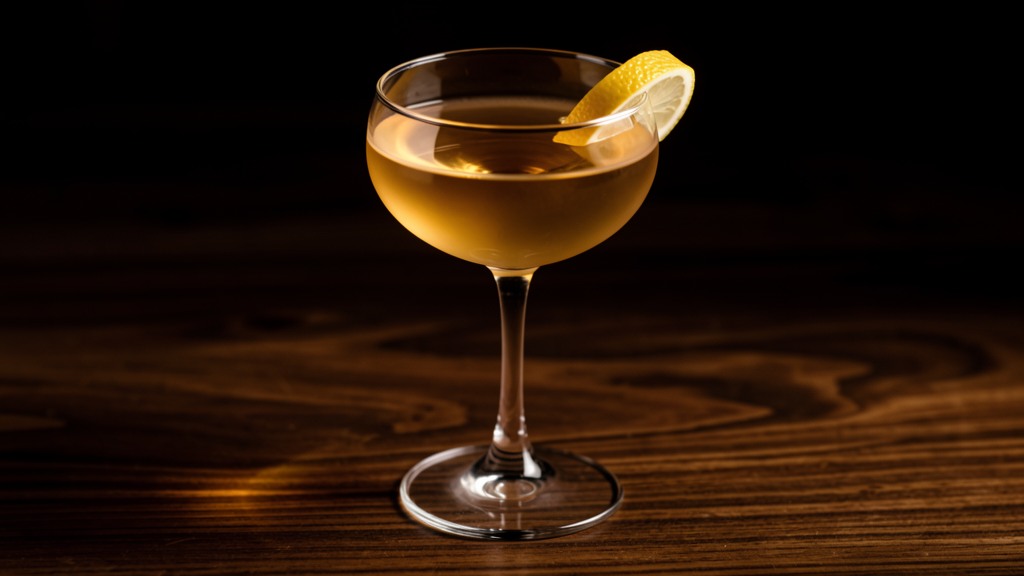
Fully batchable. All stirred spirits. The Cocchi Americano holds well frozen. Serve cold from the freezer in a chilled cocktail glass with a lemon twist.
Single Serve
Stir with care — this drink is delicate. Over-dilution softens the Cocchi too much.
Why This Drink Exists
Cocchi Americano is an Italian aperitivo wine — quinine-bitter, floral (elderflower, citrus), and lower proof than Campari or amaro. It's what goes into a Corpse Reviver No. 2 and what makes a Vesper work when you substitute it for Kina Lillet.
The chocolate in this drink is intentional but restrained. Creme de Cacao at 1/2 oz is below the threshold of 'chocolate cocktail' — it adds a dark earthy note that makes the Cocchi read as more complex without identifying itself.
This is a classic-leaning formula, shared through Alan's Bar. It rewards quality cognac — the better the brandy, the more the drink opens up.
The Flavor Arc
What Each Ingredient Brings
Remy Martin VSOP Cognac
Fine Champagne cognac — the appellation of Cognac's best terroir. VSOP means minimum 4 years aged, but in practice the blend is older.
The fruit-brandy base that gives this drink its elegance. Pear, apricot, vanilla, subtle oak.
Cocchi Americano
Italian quinquina made in Asti since 1891. Quinine (from cinchona bark), citrus peel, elderflower, gentian root.
Why Cocchi over Lillet: Lillet Blanc is sweeter and less bitter. Cocchi is closer to the original Kina Lillet — more complex and appropriate for cocktails that need structure.
Creme de Cacao
Chocolate liqueur, available in white (clear) and dark versions. White has identical flavor to dark — use dark for a slightly richer profile.
Used at such a small pour it doesn't read as chocolate — it adds earthy depth. The mystery ingredient.
Variations to Explore
Lillet Blanc Instead
Sub Lillet Blanc for Cocchi — lighter, sweeter, more citrus-forward. A gentler drink, less interesting but more accessible.
Add Orange Bitters
One dash of orange bitters frames the citrus element of the Cocchi. Makes the lemon twist feel more intentional.
Armagnac Version
Sub Armagnac (French brandy, earthier than Cognac) for Remy. More rustic character — stone fruit gives way to plum and walnut.
Classic recipe shared via Alan's Bar (TikTok). Adapted for freezer-door batching.