Hemingway Daiquiri (1L)
Literary Classic
Ernest Hemingway drank regularly at La Floridita bar in Havana through the 1930s and 1940s. The story goes that he told bartender Constantino Ribalaigua Vert that he liked daiquiris but was diabetic and needed them without sugar, and doubled. Ribalaigua responded by adding maraschino liqueur and grapefruit juice, which provided complexity and a different kind of sweetness without straight cane sugar. The drink was called the Papa Doble, a double portion named for Hemingway's nickname. It was extremely spirit-forward and very dry.
Modern versions pull back from the extreme. They use a more standard pour and add a small amount of sweetener to bring the drink into balance. What remains unchanged is the grapefruit-maraschino combination, which is the point of the whole thing. Grapefruit brings bittersweet citrus rather than sharp tartness. Maraschino brings cherry-almond depth without reading sweet. The result is drier and more complex than a standard daiquiri, citrus-forward, and slightly bitter in a way that makes you want another sip.
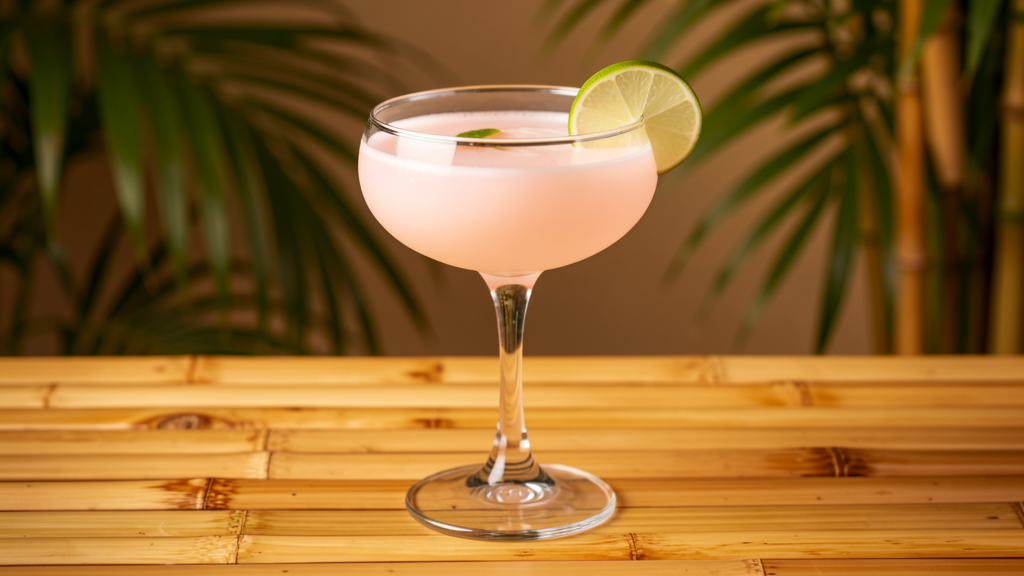
Freezer-Door Batch (1L)
Pre-batch rum, maraschino, and grapefruit juice. Fresh lime juice must be added at service to prevent oxidation.
Single Serve
Fresh lime juice added at service. Serve cold, straight up in a coupe glass.
Why This Drink Exists
Ernest Hemingway famously drank Daiquiris at La Floridita bar in Havana, Cuba. This variation—with grapefruit juice and maraschino—became his favorite. It's named in his honor, and it represents his refined taste in cocktails.
The classic Daiquiri is rum, lime, and simple syrup—bright and tart. Hemingway's version adds grapefruit juice (bringing bittersweet citrus) and maraschino liqueur (bringing subtle cherry-almond sweetness). The result: more complex, more sophisticated, less tart than a standard Daiquiri.
For freezer-door service, the beauty of this drink is the balance. Grapefruit brings bittersweet character that prevents the drink from being too sweet. Maraschino brings depth that prevents it from being too sour. Fresh lime juice (added at service) brings tartness and brightness that ties it together.
Classic cocktail tradition. Named after Hemingway's preference at La Floridita, Havana.
The Flavor Arc
What Each Ingredient Brings (and Why)
White Rum (Bacardi Superior)
40% ABV, clear, light-bodied. Made in Puerto Rico. Slightly sweet profile makes it perfect for fruit-forward cocktails.
Why this ingredient: White rum provides the tropical base without overpowering the fruit flavors. Bacardi Superior is widely available, reliable, and excellent value.
Luxardo Maraschino Liqueur
32% ABV Italian liqueur made from marasca cherry pit and kernels. Subtle cherry-almond sweetness, not artificial. Made since 1821.
Why this ingredient: This brings sophistication and subtle sweetness that prevents the drink from tasting too sour. Cheap imitations taste artificial.
Fresh Grapefruit Juice
Freshly squeezed from grapefruit, or from a quality bottle (like Lakewood Orchards). Pink or white grapefruit both work; pink is slightly sweeter. This is bittersweet citrus, not tart like lime.
Why this ingredient: Grapefruit juice defines the Hemingway Daiquiri. It brings bittersweet character that's distinctive. Fresh lime juice alone wouldn't capture this.
Fresh Lime Juice
Freshly squeezed from Persian limes. Not bottled, not concentrated. Added at service, not pre-batched.
Why this ingredient: Fresh lime brings tartness and brightness that balances the grapefruit's bittersweet and maraschino's sweetness. Must be fresh to work properly.
Variations to Explore
Dark Rum Swap
Use dark rum (Myers's Dark or Gosling's) instead of white rum. Adds caramel depth.
Richer, less tropical, more dessert-like.
Fresh Lime Concentrated
If using fresh lime in the batch (risky), keep it strictly chilled and use within 24 hours.
More convenient, less optimal flavor (lime oxidizes).
Extra Grapefruit
Increase grapefruit juice to 6 oz. More bittersweet character, less sweet.
Emphasizes the grapefruit, less maraschino sweetness.
This is an exploration. Taste the batched version on day 1, day 2, and day 3. Notice how it changes. Try the single-serve version too. Notice which one you prefer, and why. That curiosity—about why things taste the way they do—is where the real pleasure lives.