Gimlet
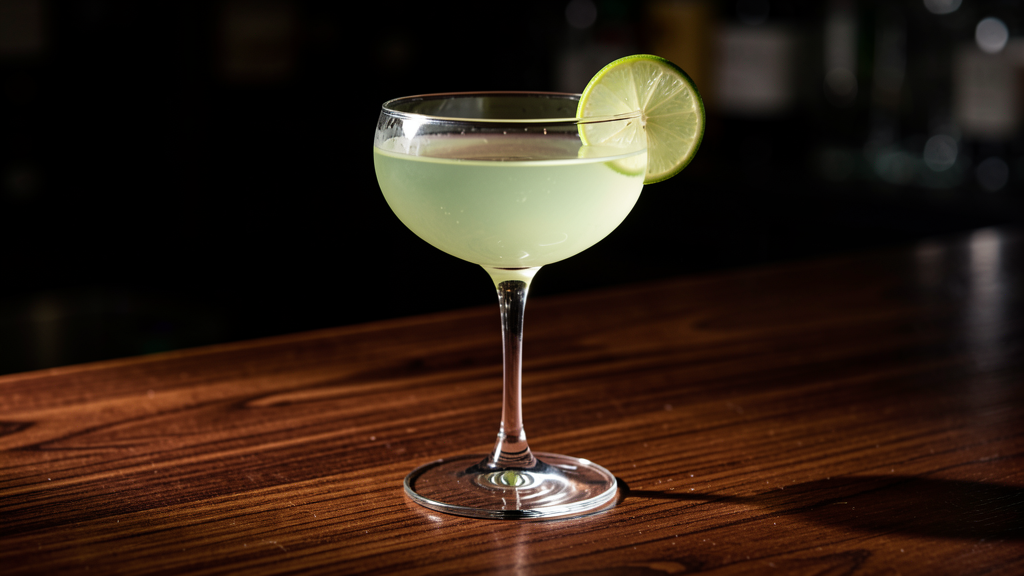
Gin, fresh lime juice, and citrus syrup. Spirit-led, bright, and perfectly balanced.
The Gimlet's origin is practical rather than inspired. The British Navy required sailors to take daily lime juice to prevent scurvy on long voyages, and lime cordial, preserved with sugar, was the efficient way to carry it. By the mid-19th century, naval officers were mixing that cordial with gin, which they also carried. The combination solved two problems at once: it made the lime juice more palatable and the gin more respectable. Raymond Chandler gave it its definitive statement in The Long Goodbye (1953): "A real gimlet is half gin and half Rose's lime juice and nothing else."
The craft version trades Rose's cordial for fresh lime juice and house-made syrup, which is technically heretical and practically superior. Fresh lime is brighter and more volatile; the syrup lets you control sweetness without the cloying edge of preserved cordial. The drink's logic stays the same regardless of which route you take: gin's botanical structure, citrus for brightness, sweetness to hold it together. Nothing hidden, no complexity to retreat behind. Everything in the glass is audible.
Freezer-Door Batch (1L)
Pre-batch the gin and citrus syrup together. Keep in the freezer. At serve time, add fresh lime juice and ice. This keeps the citrus bright (you don't pre-mix it), while the gin and syrup marry overnight.
Yield: ~10 drinks (3oz each, plus 1 oz fresh lime juice at serve)
Steps
Why pre-batch this way? The gin and syrup marry overnight, deepening flavor integration. Fresh lime juice added at serve preserves brightness and prevents oxidation (lime juice turns bitter after 24 hours).
Single Serve (3oz)
Mix to order. This is the classic method—everything fresh, nothing aged ahead.
Steps
Why Each Ingredient Matters
Gin is the foundation. Its botanicals (juniper, coriander, citrus peel) anchor the drink and provide enough structure to carry citrus without vanishing. A quality London Dry gin (100 proof or higher) will maintain presence in the bright acidity of lime without becoming thin or hollow. Cheap gin will taste thin and hollow.
Lime juice (only in the single-serve version, added at serve) brings acidity and brightness. Bottled lime juice oxidizes and tastes metallic. Fresh lime juice oxidizes in 24 hours, which is why freezer-door batches use citrus syrup instead. The syrup captures the aromatic oils without the unstable juice.
The syrup provides sweetness and citrus aroma (from peel infusion). A 2:1 syrup (or similar) keeps the drink spirit-forward without turning it into lemonade. The balance between gin, acid, and sweet determines whether the Gimlet tastes like a proper cocktail or a candy drink.
Flavor Arc
Variations
How to Serve
- Glass: Coupe (cocktail glass). The wide bowl lets citrus aromas breathe.
- Ice: Fresh ice, preferably clear (batched version served over ice; single serve shaken and strained).
- Garnish: Lime wheel or twist. Expresses citrus oils over the drink for aroma.
- Occasion: Aperitif (bright, refreshing) or afternoon cooler. Not a digestif (too light, too bright).
The Gimlet is a training ground for understanding how gin, citrus, and sweetness interact. Experiment with different gins. Try lemon vs. lime vs. grapefruit. Taste the difference between single-serve fresh and batched overnight. That understanding translates to every citrus-forward cocktail you make.