Freezer-Door Old Fashioned
Batched Classic
The Old Fashioned is not a cocktail so much as a definition. The word "cocktail" itself was first defined in print in 1806 as "spirits of any kind, sugar, water, and bitters," which is an exact description of an Old Fashioned. The drink predates its name. By the 1880s, as bartenders began adding liqueurs, fruit, and modifiers to things, drinkers who wanted the original formula started asking for it "the old fashioned way," and the phrase became the name.
The drink survived Prohibition in a degraded form: cherries muddled in, orange slices, soda, enough fruit to hide the bad whiskey. The craft cocktail revival of the 2000s stripped it back to the original three-part structure, and the argument about what belongs in an Old Fashioned, which is to say whether fruit belongs in it at all, has been ongoing since. The batched version settles the question by design. Everything that can be pre-assembled is, the proportions are fixed and consistent, and the drink comes out the same every time. That is the point.
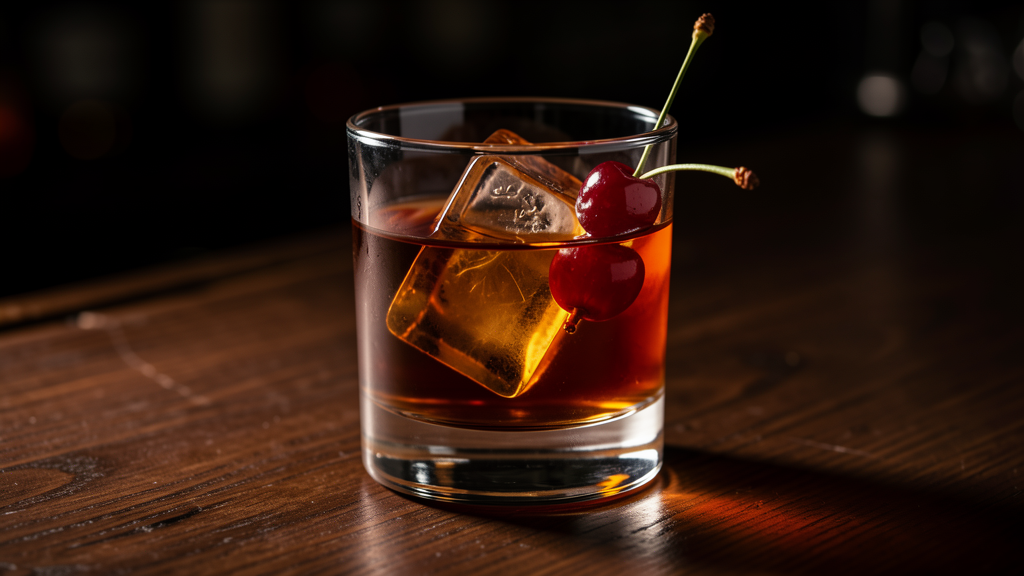
Freezer-Door Batch (750ml)
Use a 750ml bottle of Evan Williams Bottled-in-Bond as your base. Pour off 10 oz and replace with syrup and bitters. The result: 750ml of ready-to-serve Old Fashioned.
Single Serve
Serve cold straight up or over a large ice cube. The 3.5 oz pour is spirit-forward and warming.
Why This Drink Exists
The Old Fashioned is cocktail history. First documented in print in 1880 at a tavern in Milwaukee, Wisconsin, it's been the standard-bearer for 'how to make a perfect cocktail' ever since. Why? Because it's just four things: whiskey, sugar, bitters, and time.
This version comes from Brian Certain's Bourbon Gospel, a manifesto on batch cocktails. His formula is beautifully simple: 3 parts spirit, 2 parts sweetness, 1 part bitters. Scale it up, freeze it, serve it. The philosophy: respect the original while embracing batch service.
The Evan Williams Bottled-in-Bond is crucial—it's the only spirit in this drink, so it carries all the weight. 100 proof, high rye mashbill (spicy), aged 4+ years (smooth). When you freeze it with syrup and Angostura, the flavors marry into something unified and elegant. Day 1 is bright; day 2-3 is rounder.
Brian Certain, Bourbon Gospel. Freezer-door Old Fashioned formula.
The Flavor Arc
What Each Ingredient Brings (and Why)
Evan Williams Bottled-in-Bond Bourbon
100 proof (50% ABV), aged minimum 4 years in new charred barrels, Kentucky. Made by Heaven Hill Distillery. High rye mashbill (around 16% rye). Price: ~$18-25. This is the single spirit in the entire drink—it carries all the responsibility.
Why this ingredient: Bottled-in-Bond is a USDA legal designation: proof guaranteed, aged in government supervision. This level of oversight means consistency and quality. No other bourbon is required; this one defines the drink.
Simple Syrup (1:1)
Equal parts white sugar and water, boiled and cooled. Thinner than bar syrup (which is 2:1), dissolves instantly in alcohol. No additives.
Why this ingredient: Provides sweetness and smoothness without water dilution (water would freeze). The ratio is intentional: not too sweet, not too thin.
Angostura Bitters
44.7% ABV, made in Trinidad. Contains ~40 ingredients including spices (clove, cardamom, nutmeg), roots, and herbs. A dash (5-6 drops) goes a long way.
Why this ingredient: Angostura is clove-forward, making it the traditional choice for Old Fashioned. Peychaud's bitters (more anise) would feel wrong here. The spice reinforces the bourbon's warmth.
Luxardo Maraschino Cherries
Italian maraschino cherries preserved in syrup, no artificial colors. Pitted or unpitted; pitted is easier for a cocktail. Luxardo is the gold standard—they're tart-sweet, not cloying.
Why this ingredient: Cherry garnish brings brightness and slight tartness. The cherry syrup from the jar is fair game to add to the drink itself. It's not traditional, but it works beautifully in a batched version.
Variations to Explore
Rye-Only Version
Use 750ml Rittenhouse Rye (100 proof) instead of bourbon. Rye brings more peppery spice, less vanilla warmth.
Sharper, drier, more spirit-forward. Traditional Old Fashioned fans will appreciate this.
Pecan Liqueur Addition
Add 0.5 oz pecan liqueur (like Licor 43 or a homemade pecan syrup) to the batch. Adds depth and earthiness.
Dessert-leaning variant. Great for cooler months.
Orange Peel Twist
Increase the expressed orange peel for aroma, and add a thin orange slice as garnish instead of cherry.
Brings citrus brightness, less cherry sweetness.
This is an exploration. Taste the batched version on day 1, day 2, and day 3. Notice how it changes. Try the single-serve version too. Notice which one you prefer, and why. That curiosity—about why things taste the way they do—is where the real pleasure lives.