Bar Leone Yuzu Negroni
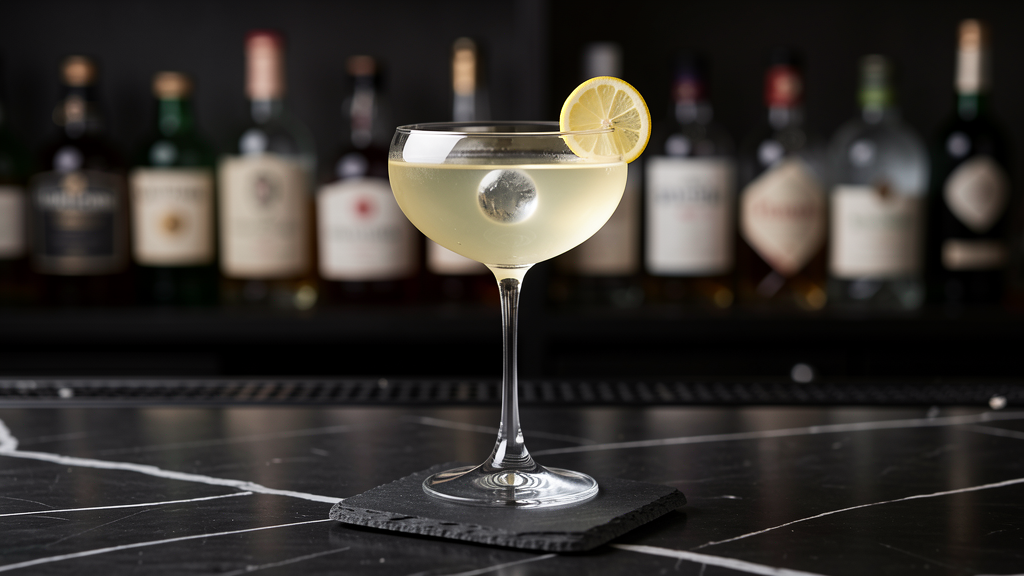
A white Negroni from the world's best bar
Wayne Collins created the White Negroni in 2001 while working a promotional event in Bordeaux. Unable to find Campari, he built a Negroni with Lillet Blanc and Suze -- a French gentian-root liqueur. The result was lighter and more mineral than the classic, and it became the template for an entire category. The defining difference from the classic Negroni is the bitterness: where Campari is fruity-bitter, Suze is earthy and mineral from gentian root harvested in the Alps.
Bar Leone opened in Hong Kong in 2023 and was named World's Best Bar in 2025. Their version adds yuzu sake as a fourth ingredient -- a Japanese citrus that contributes acid and aroma without adding fresh juice. The yuzu sake is the detail that makes this drink theirs: it stays batchable (unlike fresh citrus) while adding brightness that lifts the whole build.
Freezer-Door Batch (1L)
Fully batchable — all stirred, no fresh juice. The yuzu sake is the variable: adjust to taste before batching. Start with 1/4 oz per drink equivalent; the recipe is forgiving.
Notes on Batching
The yuzu sake is the adjustment dial — more brings the drink toward citrus-bright, less keeps it closer to a classic white Negroni bitterness. Taste and dial. The original Bar Leone recipe calls for 1/4 oz per single serve; some find 1/2 oz more expressive.
Single Serve
Stir until well chilled. The Suze is assertive — proper dilution is essential.
Why This Drink Exists
The white Negroni was invented in 2001 by Wayne Collins, who substituted Suze for Campari and Lillet Blanc for sweet vermouth. Bar Leone's version updates Collins's formula by adding yuzu sake — a lightly fermented rice wine with Japanese yuzu citrus.
Suze is made from gentian root — a mountain plant with an intensely bitter, earthy quality. Unlike Campari's fruit-bitter profile, Suze is mineral and herbal. Combined with Cocchi Americano's floral quinine bitterness, the result is bitter in a way that feels more complex than the original Negroni.
The yuzu sake is the ingredient that transforms the drink. Yuzu is a Japanese citrus — tart, floral, somewhere between lemon and grapefruit. In sake form it adds acidity and aroma without the sharpness of fresh juice. Bar Leone uses it to lighten and brighten what could otherwise be a heavy bitters-on-bitters drink.
The Flavor Arc
What Each Ingredient Brings
London Dry Gin
Juniper-forward gin style — required to anchor the drink against Suze's assertive bitterness. Tanqueray, Beefeater, or Plymouth all work.
Why London Dry: the juniper structure is essential. A floral or citrus-forward gin would get lost against Suze.
Suze
French liqueur made from gentian root, harvested in the Alps. The bitterness is earthy and mineral — not fruity like Campari.
Suze is the defining ingredient of the white Negroni category. Its bitterness has a distinct terroir character — you taste the mountain.
Cocchi Americano
Italian aperitivo wine with quinine bitterness, elderflower, citrus, and herbal notes. Lower proof than Suze, more delicate.
Provides the sweetness and floral character that balances Suze. More complex than Lillet Blanc.
Yuzu Sake
Lightly fermented sake infused with yuzu — a Japanese citrus fruit with a tart, floral, complex aroma. Lower ABV than other cocktail components.
The brightness ingredient. Adds acid and aroma without adding fresh juice. The detail that makes this drink distinctly Bar Leone.
Variations to Explore
Classic White Negroni
Omit yuzu sake. Use Lillet Blanc instead of Cocchi Americano. This is Wayne Collins's 2001 original — clean and dry.
More Yuzu
Push yuzu sake to 3/4 oz. The drink becomes noticeably more citrus-forward — lighter, more refreshing, closer to an aperitivo spritz territory.
Old Tom Gin
Sub Old Tom (sweeter, less juniper-dominant) for London Dry. The drink softens — more floral, less structural. Works well in summer.
Recipe from Bar Leone, Hong Kong (World's Best Bar 2025). Shared via Lance on TikTok. Adapted for freezer-door batching.